
Photo Sharing for Family Reunions: Three Generations, One Gallery
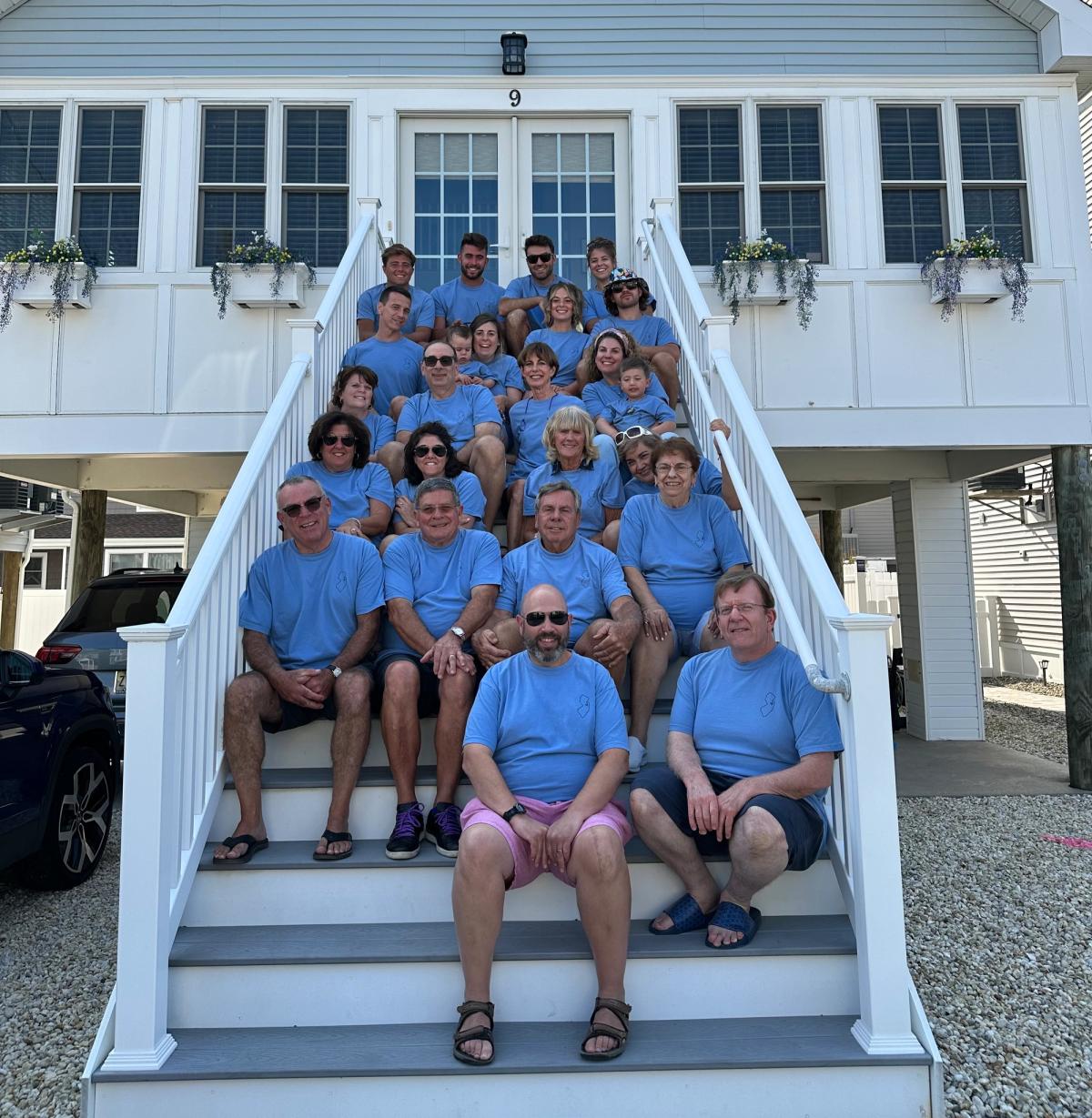
A family reunion has a wider age range than almost any other event that gets planned — great-grandparents down to kids who don't have phones yet — and that range is exactly what breaks most photo-sharing plans before they start.
The problem is comfort, not willingness
It's not that the older generation doesn't want to share their photos. It's that "download this app and make an account" is a real barrier for someone who doesn't download apps, and a flat non-starter for someone who doesn't want to hand an unfamiliar app their email address. Meanwhile the group text with forty people in it is unreadable by the second day, and half the family has already muted it.
What actually works across that range
A QR code printed on a sign at the check-in table, or a link texted out ahead of time, removes the two biggest barriers at once: no app to download, no account to create. Anyone who can take a photo and tap a link can get it into the gallery — which is a meaningfully lower bar than anyone who can take a photo, find an app store, download an app, and register.
One gallery beats four separate ones
Reunions tend to fracture into whoever's phone people happened to be standing near — the cousin with the nice camera, the aunt who takes the formal family portrait, the teenager filming everything for their own account. A single shared gallery means the photo someone's cousin took of four siblings together doesn't just live on her phone three time zones away. Everyone who was there gets to see everyone else's version of the day, not just their own thirty photos.
Why this matters more at a reunion than almost anywhere else
Reunions often happen once every few years, sometimes once a generation. The photo of four generations standing in front of the same tree the reunion has been held under since the 1980s doesn't get retaken next month. Getting the full set of what forty different phones captured — not just what one person happened to save — is the actual point of collecting the photos at all.
Setting it up for a multi-day event
Reunions often run a full weekend, not a single afternoon. A gallery that stays open for the whole event — not one that closes at midnight on day one — means the Saturday cookout photos and the Sunday morning goodbye photos end up in the same place, instead of scattered across whichever day someone remembered to send their pictures.